
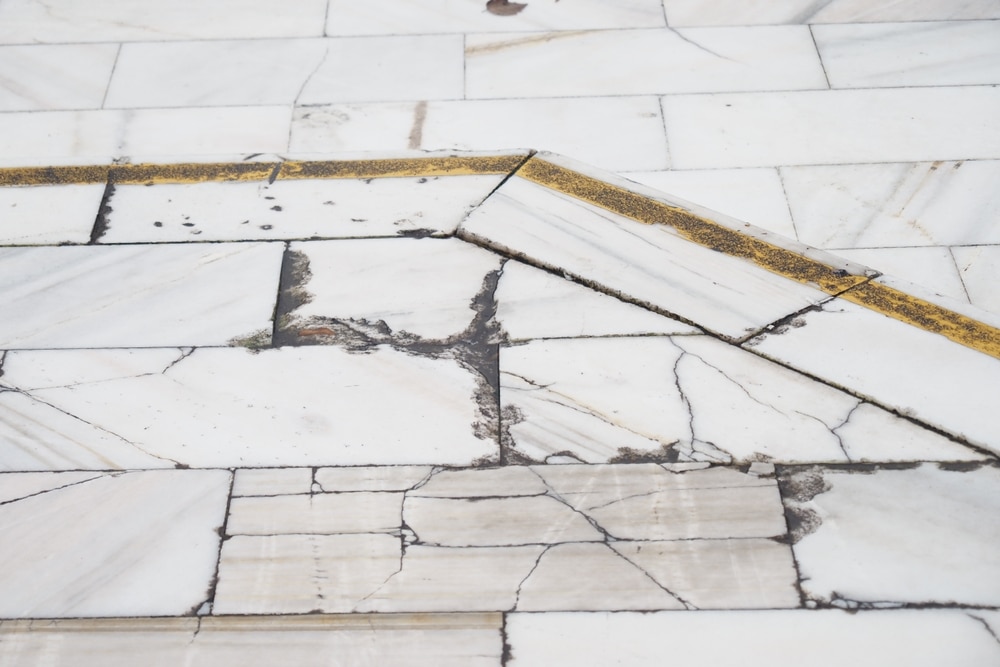
Winter has a way of making homeowners look down, and then worry. A crack in the basement floor that wasn’t there last year. A line running across a garage slab. A wall crack that suddenly looks wider after a few cold snaps. When temperatures drop and the ground starts shifting, floor cracks and wall cracks tend to show up or become more noticeable.
Some cracks are cosmetic. Some are moisture-related. Others are early warning signs of structural stress. During Kansas City winters, the conditions that cause foundation movement and water pressure become more aggressive, which is why cracks often get worse this time of year.
This guide explains when floor cracks are normal, when they’re tied to winter conditions, and when they deserve a closer look from a foundation professional.
Why Floor Cracks Show Up More Often in Winter
Concrete doesn’t crack randomly. It reacts to stress. In winter, that stress usually comes from what’s happening below and around the slab.
Kansas City winters bring moisture in waves. Snow melts during warm spells, rain falls on partially frozen ground, and water gets trapped in the soil. When soil becomes saturated, it can shift or expand. When it freezes, it contracts. Those repeated changes affect the support under basement floors and slabs.
If the soil beneath a floor slab settles, compresses, or shifts unevenly, the concrete above it can crack. That doesn’t always mean the foundation is failing, but it does mean the slab is responding to changing support conditions.
Hydrostatic pressure also plays a role. When groundwater pressure increases under the basement floor, water can push upward toward cracks and joints. The wall-to-floor joint is a common seepage point for this reason, and floor cracks can become visible pathways for moisture when pressure rises.
The Most Common Types of Floor Cracks We See in Winter
Not all floor cracks mean the same thing, and context matters more than the crack itself.
Some floor cracks are shrinkage-related. Concrete naturally shrinks as it cures, and hairline cracks can form without any structural concern. These cracks are usually thin, relatively straight, and don’t show signs of movement or moisture.
Other floor cracks follow areas where the slab is under stress. These cracks may be wider, uneven, or accompanied by slight vertical displacement. If one side of the crack feels higher than the other, that’s a sign the slab may be settling unevenly.
Cracks that leak during winter are in a different category. If water shows up through a floor crack during snowmelt or heavy rain, that points to groundwater pressure or poor water management around the foundation. The crack may not be structural by itself, but it’s acting as an entry point because pressure exists below the slab.
Garage and basement floors can also crack differently. Garage slabs are often more exposed to temperature swings and surface water, while basement slabs are more influenced by soil moisture and hydrostatic pressure.
When Floor Cracks are Usually Not a Structural Issue
This is important, because not every crack deserves panic. Floor cracks are often considered non-structural when they are narrow, stable, not leaking, and not associated with other signs of movement. If the crack hasn’t changed over time and there’s no moisture coming through it, it may simply be part of how the concrete cured or responded to minor settling years ago.
Even then, cracks shouldn’t be ignored completely. A dry crack today can become a water pathway later if conditions change. Winter is often when homeowners realize that a previously harmless crack now coincides with dampness or seepage.
When Floor Cracks Deserve Closer Attention
If a floor crack is accompanied by wall cracks nearby, especially cracks that grow wider or change shape, that can suggest foundation movement. If doors or windows near the same area start sticking, or if the crack appears to be widening over time, it’s worth getting evaluated.
Water changes the conversation entirely. If water is actively entering through floor cracks, the issue is no longer cosmetic. It means water pressure exists under the slab, and the crack is simply the easiest exit point. In those cases, sealing the crack alone may not be enough unless the pressure issue is also addressed.
Vertical displacement across a floor crack is another sign to watch. If one side of the crack is visibly higher than the other, it suggests uneven support beneath the slab. That doesn’t automatically mean a major structural failure, but it does mean the slab is reacting to soil movement.
How Winter Makes Existing Cracks Worse
Cold-weather moisture increases soil weight and pressure. Freeze-thaw cycles expand and contract soils repeatedly. Water finds pathways and exploits them. Cracks that stay quiet during dry months can suddenly start leaking or widening once conditions shift.
This is also why surface drainage problems show up in winter. If snowmelt or runoff is allowed to collect near the foundation, it increases saturation and pressure under the slab. Over time, that pressure makes floor cracks more active.
How Floor Cracks are Repaired Depends on the Cause
There is no single “floor crack repair” that works in every situation. The right fix depends on why the crack exists and what it’s doing now.
If a floor crack is dry and stable, monitoring may be appropriate. If it’s a known entry point for moisture, crack sealing or injection may be part of the solution, but only if water pressure is controlled.
When water pressure is the real problem, interior drainage systems are often recommended. These systems collect groundwater at the perimeter and route it to a sump basin, relieving pressure under the slab and reducing the likelihood that water will continue forcing its way through cracks and joints.
Sump pumps play a critical role in this process. A properly sized sump system removes water once it reaches a set level and discharges it away from the foundation. If your basement depends on pumping, backup protection becomes especially important during winter storms and outages.
If cracks are related to settlement or loss of support beneath the slab, solutions may include soil stabilization or slab lifting approaches, depending on the area and severity. The key is diagnosing the cause before choosing the repair.
Why Wall Cracks and Floor Cracks Often Show Up Together
Floor cracks rarely exist in isolation when structural movement is involved. If soil conditions are changing enough to affect the slab, the foundation walls may be experiencing stress as well.
Wall cracks that leak, widen, or appear near floor cracks can point to a shared pressure or settlement issue. For leaking wall cracks, polyurethane crack injection is commonly used to seal the crack through the wall thickness. The material expands and remains flexible, which is important for seasonal movement.
But again, sealing cracks without addressing water pressure can lead to repeat problems. That’s why crack repair and waterproofing are often part of the same conversation.
Why Winter is the Right Time to Take Floor Cracks Seriously
Winter gives you honest data. If cracks leak now, they’re likely to leak again during spring rains. If cracks widen now, movement may already be underway.
We often recommend inspections during winter because it allows homeowners to act before conditions worsen. Addressing drainage, pressure, or support issues early can prevent more extensive repairs later, when damage accelerates and availability tightens.
How Pro Foundation Technology Evaluates Floor Cracks
When we look at floor cracks, we’re not just measuring width. We’re looking at location, moisture activity, nearby wall conditions, drainage patterns, and whether pressure or settlement is contributing.
In some homes, the right answer is targeted crack repair. In others, it’s pressure relief through interior drainage and sump systems. In others, it’s correcting surface water issues so soil conditions stabilize. Our goal is to match the repair to the cause, not to the symptom.
We serve the Kansas City area, installing drainage systems, sump systems, crack repairs, and waterproofing solutions designed for long-term performance.
How to Stay Ahead of Winter-related Floor Cracks
Floor cracks don’t automatically mean your foundation is failing. But they are communicating that they may need your attention. Winter conditions make that message louder.
If you’re seeing new cracks, changes in existing cracks, or moisture associated with floor cracks this winter, it’s worth getting clarity. Contact Pro Foundation Technology to inspect the situation, explain what’s happening in plain terms, and recommend a solution that fits your home.
Filed under Common Structural Problems