Uneven or sinking slabs
Concrete that has dropped or tilted.
 Call
Sunken, uneven concrete
Expansive soil in the Kansas City area heaves when wet and shrinks when dry. Voids beneath concrete cause slabs to sink, crack, and become uneven. Polyjacking lifts and levels that concrete without full replacement.
The root cause
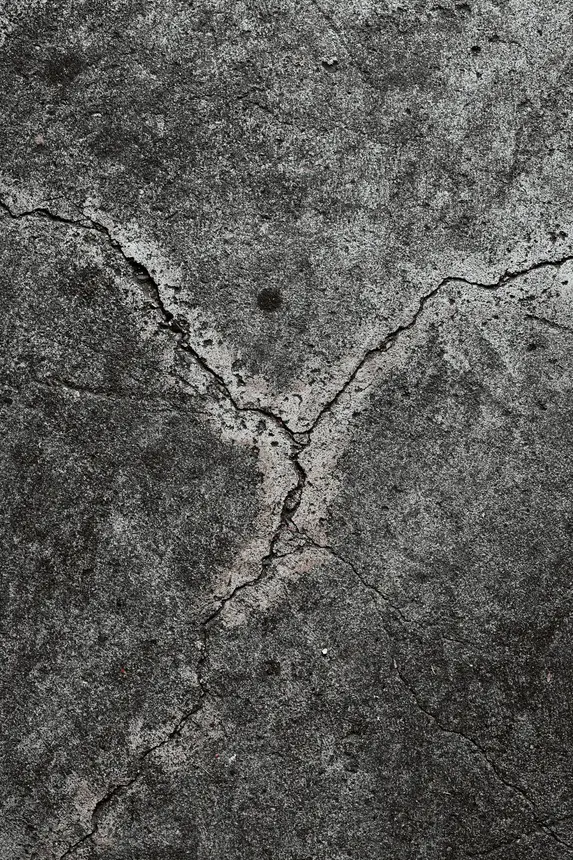
Concrete is only as good as the ground under it. When a driveway, sidewalk, or patio is poured, it sits on soil that was often loosely filled or not fully compacted. Over the years, that soil settles, washes out from rain and downspouts, or shrinks during dry spells. Clay soils make it worse because they swell when wet and pull back when dry, opening up gaps under the slab.
Once a void forms, the concrete above it has nothing holding it up. It cracks, tilts, and drops. That creates trip hazards, sends water back toward your foundation, and makes a house look neglected even when it is not.
Replace or lift
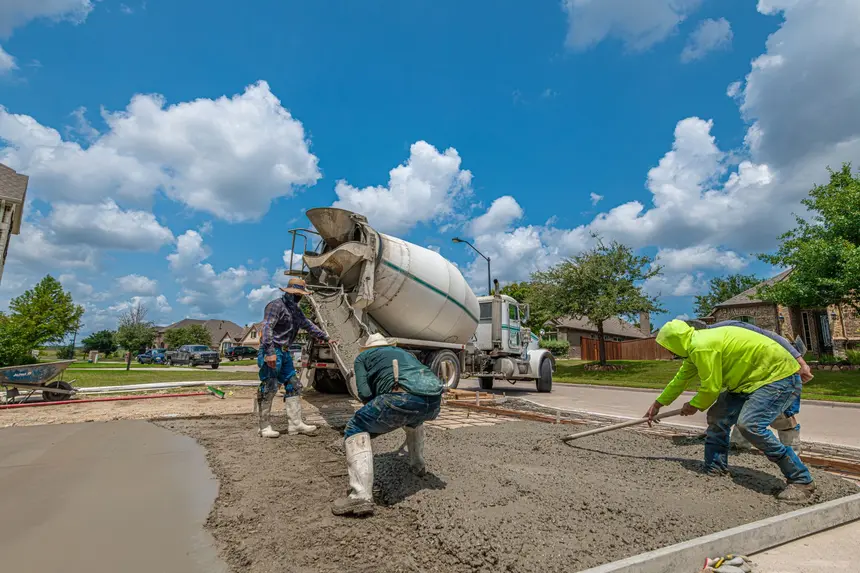
Tearing out and replacing the concrete is one option, but it is messy, slow, and does not fix the soil problem underneath. Polyjacking fills the void and lifts the existing slab instead.
Know the warning signs
Other clues: water that pools against the house after it rains, a gap opening between the garage floor and the driveway, or steps that have pulled away from the porch.

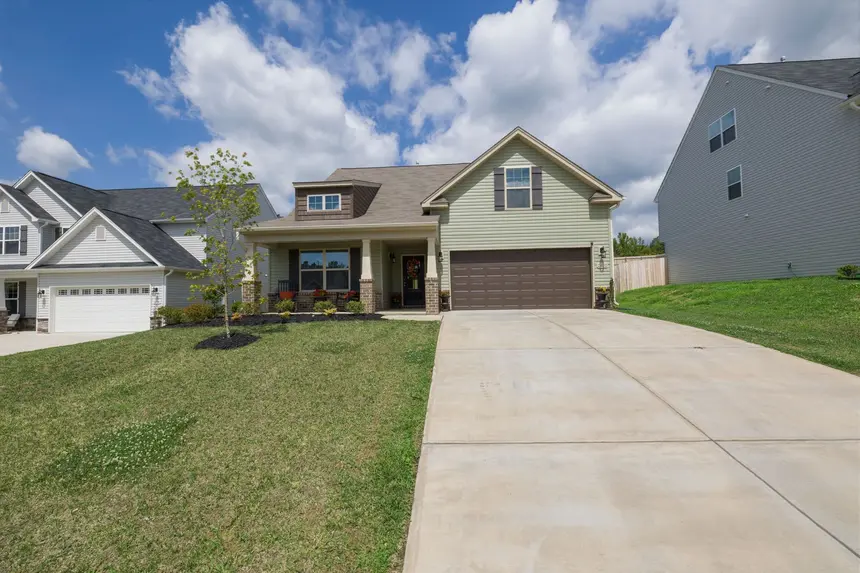
Common areas include slab homes, steps, sidewalks, garage floors, driveways, pool slabs, patios, and retaining walls.
 Expands about 20x
Our method
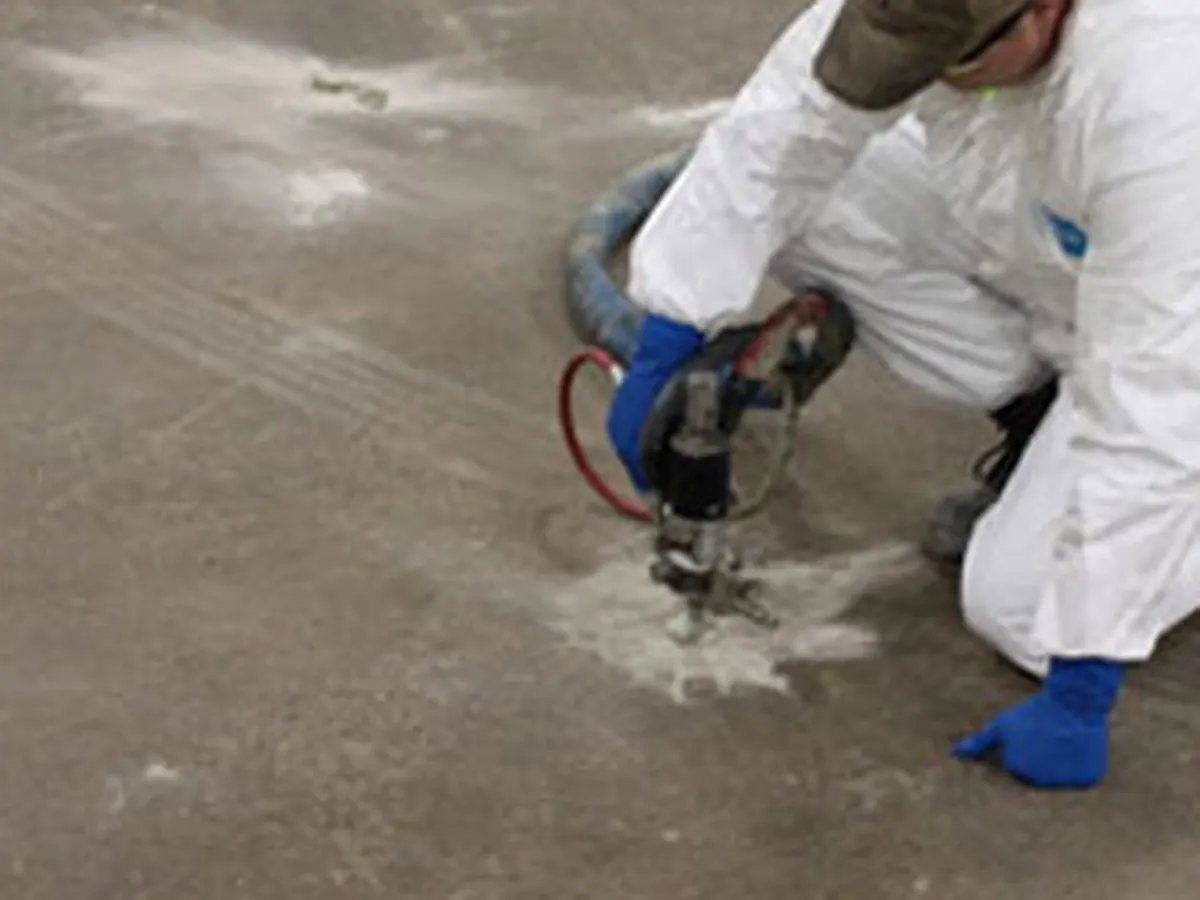
We use ground penetrating radar (GPR) to locate voids, then inject high-density polyurethane foam through small 5/8 inch holes. The foam expands about 20 times its liquid volume, moves laterally beneath the pavement, and contours to the void for coverage.
As the foam fills the void, it lifts the slab back toward level. Foam cures quickly so concrete can often be used again soon after the repair. The small holes are patched when we are done.
Step by step
Four steps from settled to level.
We look at the settled concrete and talk through what you want leveled.
Ground penetrating radar shows where the empty spaces are under the slab.
Small 5/8 inch holes are drilled and foam is injected to fill the void and lift the slab.
The holes are patched, the area is cleaned up, and the concrete can often be used again soon after.
The material
Because the foam is light, it does not add much weight to soil that has already proven it can settle. Because it repels water, it does not wash out the way loose fill can.
Mudjacking pumps a heavy cement slurry under the slab through larger holes. Polyjacking uses lightweight, high-density polyurethane foam through small 5/8 inch holes. The foam will not shrink, repels water, and does not add much weight to the soil.
The foam cures quickly, so concrete can often be used again soon after the repair. We will tell you what to expect for your specific job.
Polyjacking lifts and levels the slab and fills the void underneath. Existing cracks in the concrete will still be there, but the slab will be supported again.
Polyjacking can fill voids under slab homes and foundations. Structural settlement of footings is usually a job for steel push piers or helical piers. We will tell you which one you need.
Water and settlement
Sinking concrete next to the house can push water toward your basement. If you are seeing water inside, see basement waterproofing. If the house itself is settling, see foundation repair. For damp spaces under the house, see crawlspace encapsulation.
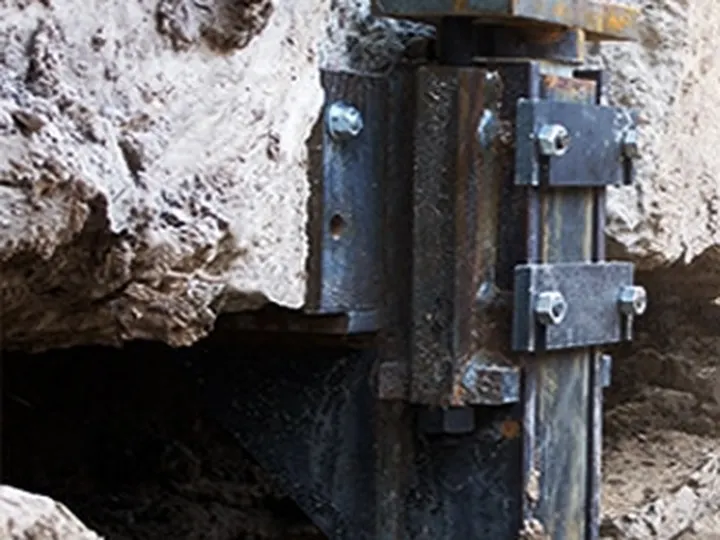 Foundation repairPush piers, helical piers, tiebacksLearn more →
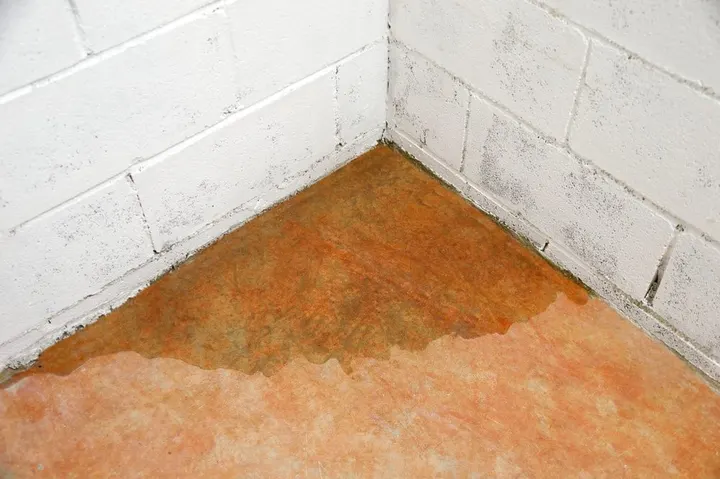 Basement waterproofingDrains, sump pumps, exterior workLearn more →
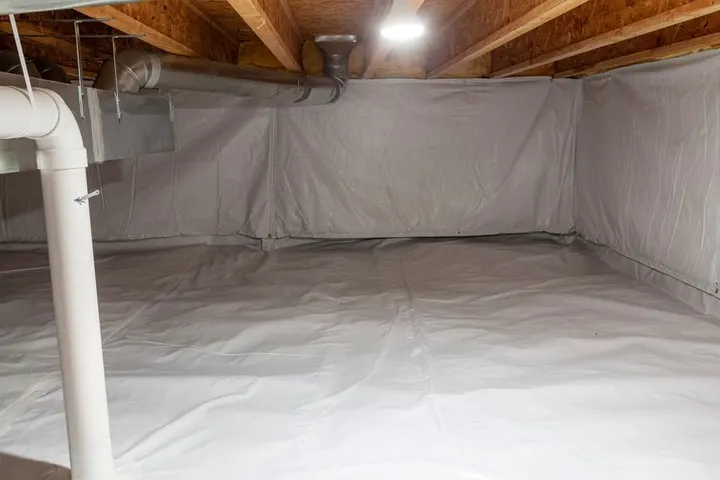 Crawlspace encapsulationVapor barrier moisture controlLearn more →
 Service areasKansas City metro, mid-Missouri, eastern KansasLearn more →
We level concrete across the Kansas City metro, eastern Kansas, and mid-Missouri. Find your city on our service areas page.
Free estimates
Call for a free estimate on concrete leveling. Kansas customers can call (913) 383-1800.