Damp or musty air
In the crawlspace and the rooms above it.
 Call
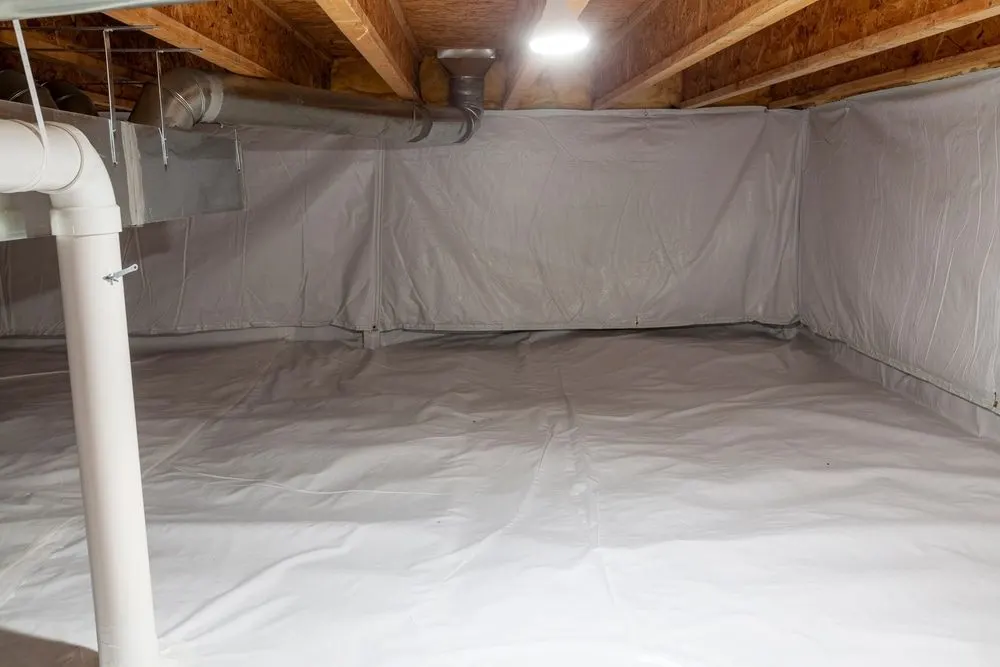
Damp, musty crawlspaces
Crawlspace encapsulation installs a water-retardant vapor barrier around the crawlspace to help keep moisture from entering the space under your home.
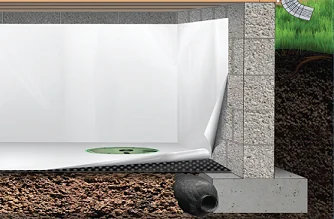
Under the house
Most homeowners rarely go into the crawlspace, and that is exactly why problems there go unnoticed. A typical crawlspace has a dirt floor and vents to the outside. Moisture rises out of the ground, humid summer air drifts in through the vents, and rain that is not drained away from the house soaks the soil around the footings.
That moisture does not stay put. Air moves upward through a house, so the air in the crawlspace ends up in your living space. Damp crawlspaces can feed mildew, mold, and moisture that migrates into living areas, and even into the attic. Musty smells in the rooms above, floors that feel damp or cold, and condensation on pipes and ductwork underneath are all signs of a wet crawlspace.
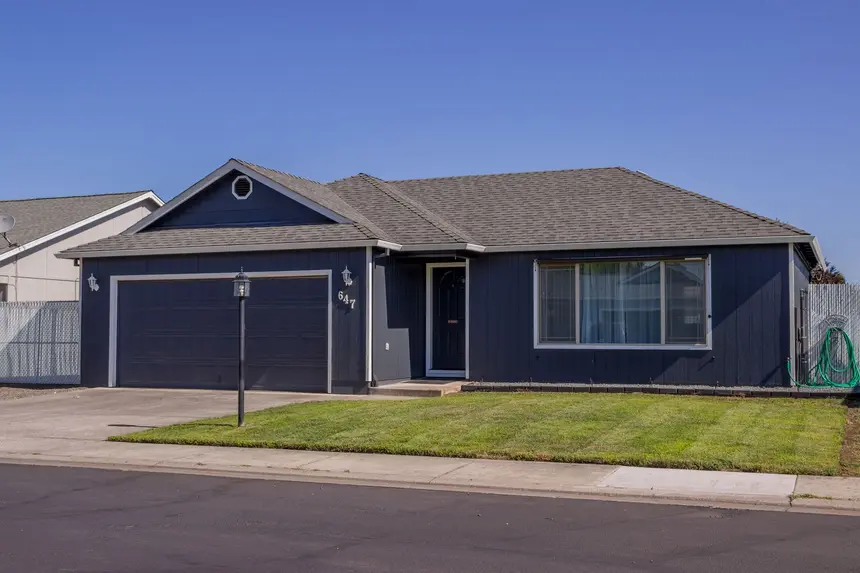
Missouri and Kansas homes
Older homes across Missouri and Kansas often have crawlspaces, either under the whole house or under an addition. If yours has never been looked at, it is worth checking.
Know the warning signs
If the space under your home smells musty, holds moisture, or shows mold, it is worth a look.
Why it matters for the rest of the house
Fixing the moisture protects the air you breathe and the structure holding the house up.
Moisture under the house does more than make the air smell. Wood framing, subfloors, and insulation that stay damp for long periods can weaken, sag, and grow mold. Floors above a wet crawlspace can feel cold or soft, and the extra humidity can make the whole house feel muggy in summer. Water that collects in the crawlspace also soaks the soil around the footings, and saturated clay is one of the main reasons foundations settle.
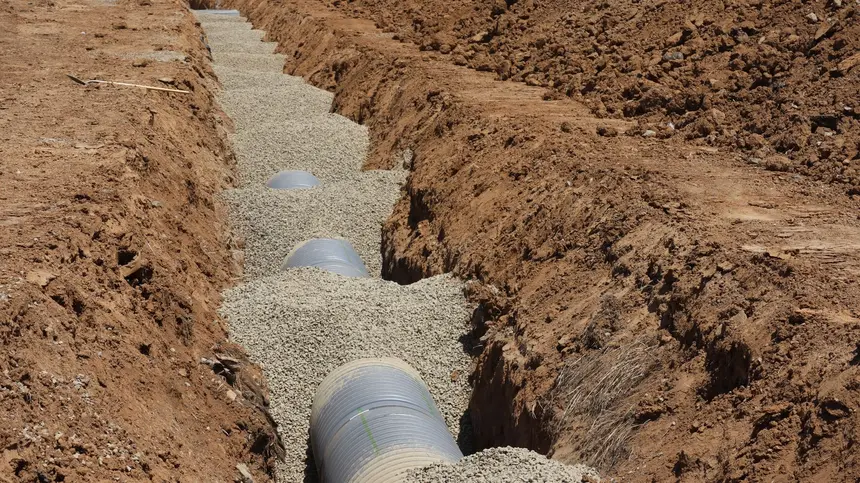 Barrier + drainage
Our method
We include crawlspace encapsulation among our basement and crawlspace waterproofing services, using a vapor barrier made of water-retardant material. The barrier covers the ground and wraps the space so moisture from the soil has a much harder time getting into the air under your home.
When water is getting into the crawlspace, not just moisture, the barrier works best paired with drainage. Depending on what we find, that can include a sump pump, perforated drain pipe, or surface drainage outside to move water away from the foundation. See basement waterproofing.
Step by step
Water first, then the barrier.
We go into the crawlspace and check for standing water, moisture on the soil and walls, mold, and signs of foundation movement.
We check gutters, downspouts, and grading outside, since a lot of crawlspace water starts there.
If water is coming in, we recommend the drainage or sump pump work needed so the barrier is not sitting in a puddle.
The water-retardant vapor barrier is installed to wrap the crawlspace and keep ground moisture out.
It is the process of covering and sealing the crawlspace with a water-retardant vapor barrier so moisture from the ground stays out of the space under your home.
Air naturally moves up through a house. When the crawlspace is damp or musty, some of that air and moisture makes its way into the rooms above and can reach the attic.
If there is standing water or water coming in after rain, yes. A vapor barrier controls ground moisture, while drainage and a sump pump handle actual water. See basement waterproofing for those systems.
Water that saturates the soil around and under the footings can contribute to settlement. If you are also seeing cracks or sticking doors, see foundation repair.
The bigger water picture
Crawlspace moisture is part of a bigger water picture. Learn about basement waterproofing, foundation repair, and polyjacking for settled concrete around the house.
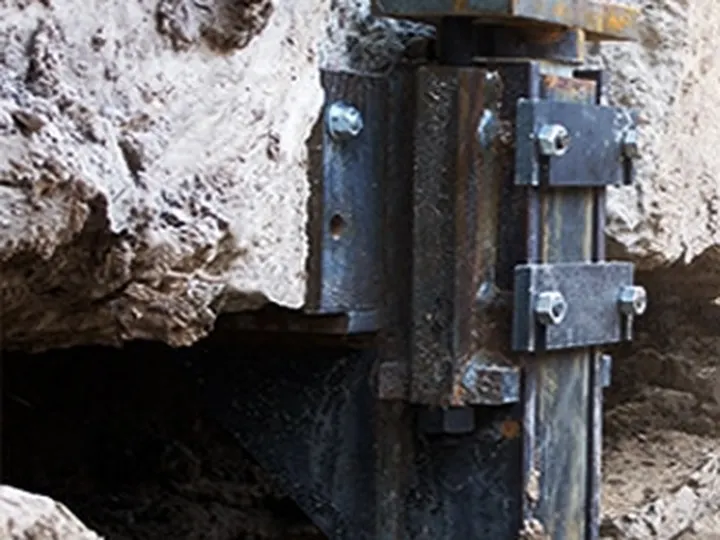 Foundation repairPush piers, helical piers, tiebacksLearn more →
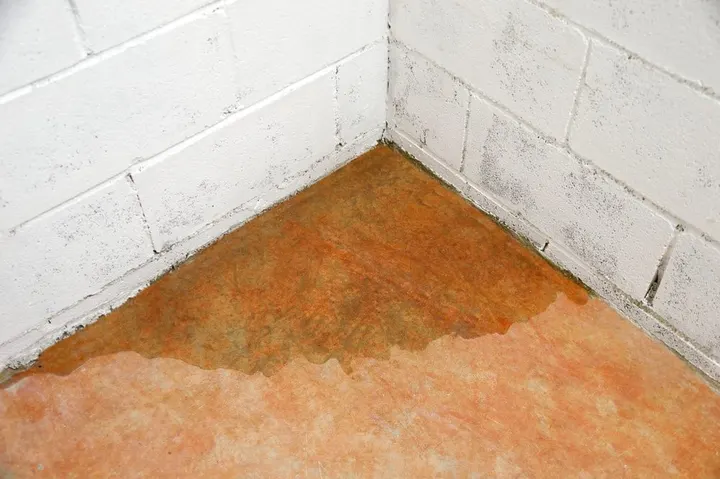 Basement waterproofingDrains, sump pumps, exterior workLearn more →
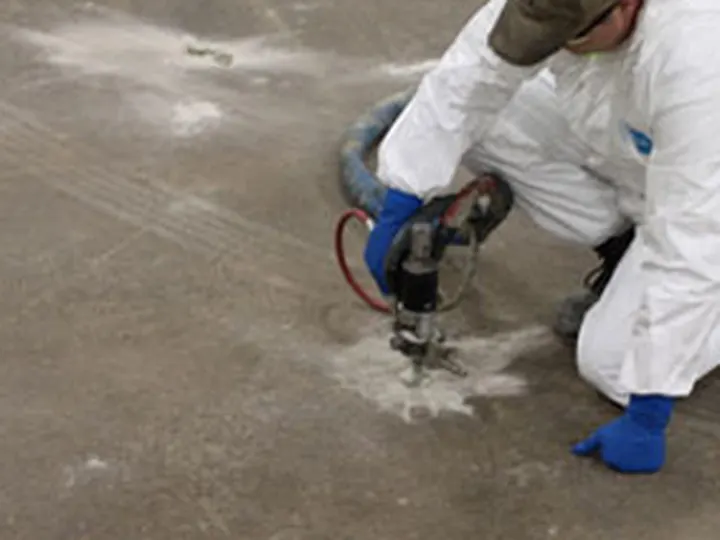 PolyjackingLift and level settled concreteLearn more →
 Service areasKansas City metro, mid-Missouri, eastern KansasLearn more →
Contact our Raytown office for an inspection and free estimate if you see signs of crawlspace moisture. We serve the Kansas City metro, mid-Missouri, and eastern Kansas. See our service areas.
Free estimates
Have us check the crawlspace. Kansas customers can call (913) 383-1800.