
Poured Concrete Foundation Problems in Kansas City
 Many of the foundations in the Kansas City area are made of poured concrete - slab foundations. These foundations are a great option for homeowners for many different reasons. First, they are more affordable than foundations built on a basement or crawlspace. Second, the construction process of poured concrete foundations is relatively simple for experienced contractors. Lastly, the monolithic structure is able to retain much structural stability, since it is a single, unbroken entity. However, it is not uncommon for slab foundations of poured concrete to develop foundation issues. If you do happen to see signs of a problem in your concrete foundation, contact the team at Pro Foundation Technology right away.
When a poured concrete foundation is first laid, there are several essential steps to ensure that the foundation can remain stable for years to come. These steps include:
- Excavation: In order for a foundation to be properly poured, the area must be excavated using heavy equipment. The area is excavated to depth about equal to the desired the foundation and about ten feet wider all around the foundation. Once excavated, the bowl-like area is leveled carefully to prevent foundation problems from forming in the future.
- Footings: Next, the footings must be poured. These are wide and shallow concrete slabs poured around the edge of the foundation to give the concrete a sturdy base for construction. The footings also help to spread the weight of the home built on top of the foundation, preventing settlement and crack formation.
- Set Forms: Next, when the footings are all cured, the contractor sets forms for the foundation walls and blocks out the areas where there will be windows, doors, and other kinds of openings. One common type of form used is reinforced steel for added stability.
- Pouring Concrete: The concrete of the foundation is then poured. The contractor and workers make sure that the there are no air pockets and that the concrete is poured quickly so that it does not set unevenly.
- Finishing: The finishers then level off the top of the walls and once the concrete is cured completely, the forms are removed, the floor of the basement is poured, and the soil is filled in around he foundation.
Water and Structural Problems in Poured Concrete Foundations
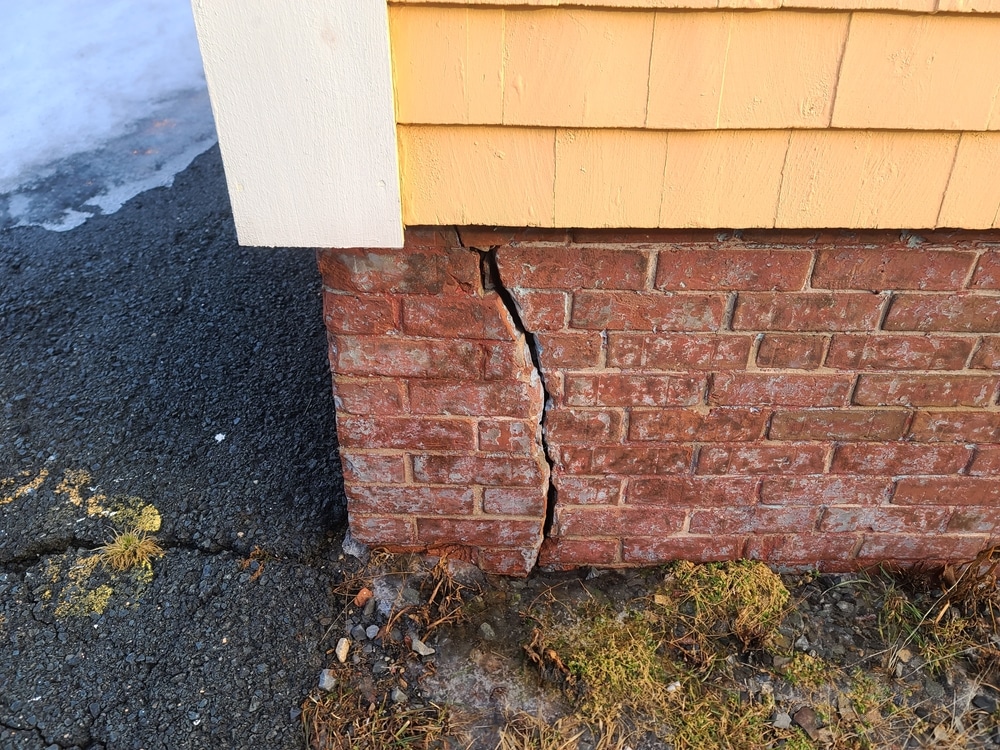
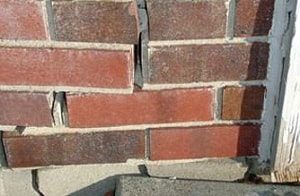 Many of the problems that occur in poured concrete foundations are water-related. For example, one common problem is a shifting or cracking foundation due to oversaturated soil around the foundation. After a heavy rain, particularly wet season, or rapid snowmelt, the ground around your foundation absorbs more water than normal, leading to increased hydrostatic pressure in the soil. This water pressure in the ground causes the soil to expand and push on the concrete of the foundation. Often, the pressure results in shifting, crack formation, or the actual detachment of the foundation wall from the foundation, which compromises the structural integrity of the entire building.
Another issue occurs when the water table fluctuates in the soil under the foundation. During dry periods, the soil will shrink and form voids. These voids do not offer enough support for the foundation, forcing it to settle and often crack. Drought-like periods can also spur the roots of nearby trees and shrubs to push against the foundation in their search for water. Erosion due to excess water flow underground can also form voids under the foundation, causing it to sink and settle. Similar settlement can result from soil that was not properly packed at the time of construction.
Solutions for Poured Concrete Foundation Problems in Kansas City
Fortunately, there are ways to combat the damage that often occurs in poured concrete foundations. The first of these methods is known as underpinning, and can be used to lift up and stabilize concrete foundations that have started to settle or sink. This can be done using helical piers or steel push piers. These piers are installed by putting a bracket on the footing near the settlement and driving (if using helical piers, the piers are screwed into the ground, not driven) the pier deep underground. Once anchored into stable soils, the piers are used to lift and stabilize the foundation above.
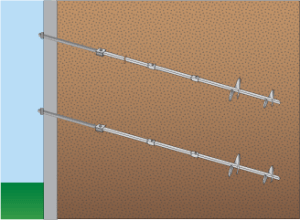 For shifting foundations and problems with the foundation walls, helical tiebacks can be used. These tiebacks are somewhat like horizontal piers. They are large, screw-like devices that are installed laterally through the foundation walls to counteract soil pressure and pull the foundation back into place.
If the foundation problems in your home are the result of excess moisture in the soil, it may be wise to invest in waterproofing solutions. Systems such as an exterior waterproofing system can help to prevent water buildup around your foundation, which will reduce the chances of a foundation issue.
Contact us today to learn more about our solutions for poured concrete foundation problems in Kansas City.
Filed under Common Structural Problems, Foundation Repair
Tags: foundation repair, foundation repair Kansas City, poured concrete foundation, poured concrete foundation problems, slab problems