
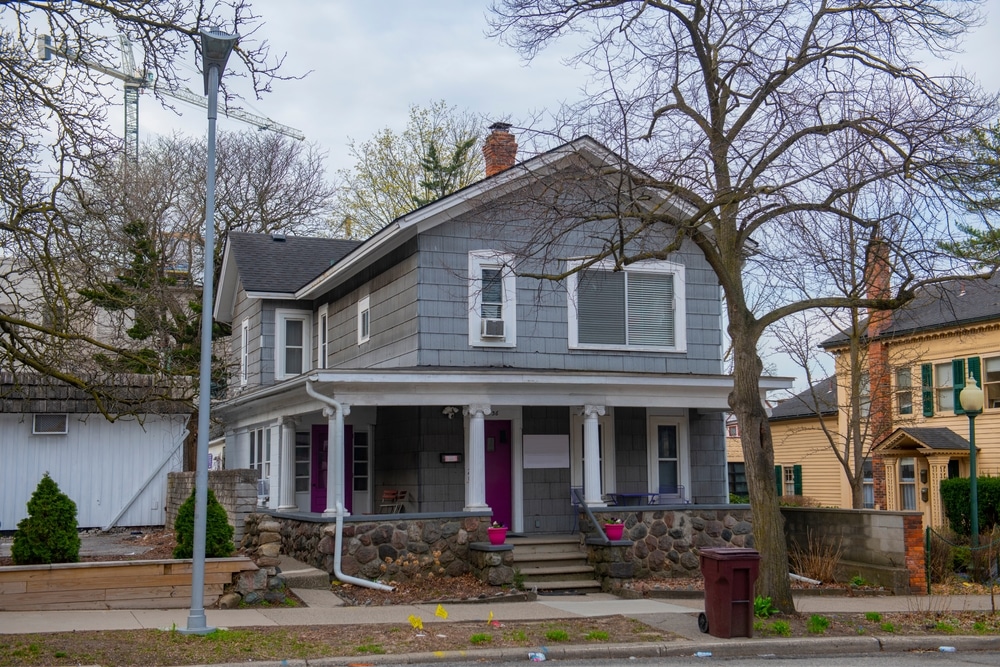
Kansas City has no shortage of beautiful older homes. Whether it's a charming bungalow in Waldo, a historic home in Northeast Kansas City, or a classic two-story in Brookside, older homes have character that's hard to replicate. But along with that character often comes a higher likelihood of foundation issues.
At Pro Foundation Technology, we've been repairing foundations throughout Kansas City since 1978, and one pattern has remained consistent: older homes tend to develop foundation problems more often than newer construction. That doesn't mean every older home has structural concerns, but decades of changing soil conditions, weather, and settling naturally take their toll.
The good news is that most foundation issues develop gradually. When they're identified early and repaired correctly, homeowners can protect both the value and structural integrity of their homes for years to come. Let's look at why older homes are more vulnerable and what you should watch for.
Age Isn't the Problem—Time Is
It's easy to assume an older home has foundation issues simply because it's old. In reality, age alone isn't the problem. What matters is everything the foundation has experienced over the years.
Every season brings changes in moisture, temperature, and soil conditions. Over decades, those seasonal cycles add up. The foundation may have experienced hundreds of heavy rainstorms, prolonged droughts, freeze-thaw cycles, and shifts in groundwater levels.
Each event places a small amount of stress on the structure. Individually, those changes may not be significant. Over 50, 75, or even 100 years, however, they can contribute to noticeable movement. That's why older homes often develop foundation issues that newer homes simply haven't had enough time to experience.
Kansas City's Soil Creates Unique Challenges
Kansas City's soil conditions play a major role in foundation performance. Much of the region sits on expansive clay soils that absorb moisture during wet weather and shrink during dry conditions. This constant expansion and contraction changes how the soil supports a home's foundation.
For a newer home, these seasonal changes may only produce minor movement. For an older home that has experienced decades of these cycles, the effects become much more noticeable.
Over time, expanding soil can push against foundation walls while shrinking soil leaves gaps beneath footings. Eventually, these repeated movements can contribute to settlement, cracking, and other foundation issues.
Older Construction Methods Weren't Designed for Today's Expectations
Many older homes were built before modern engineering standards, advanced drainage systems, and today's foundation reinforcement methods became common. That doesn't mean these homes were poorly built, it simply means they were constructed using the knowledge and materials available at the time.
As those homes age, foundations that have performed well for decades may begin showing signs of wear simply because they've been exposed to changing conditions for so long. Combined with Kansas City's challenging soil, these older construction methods can make foundation issues more likely to develop over time.
Water Has Had Decades to Affect the Foundation
Older homes have simply had more years of exposure to heavy rain, snowmelt, and changing drainage patterns. Even homes that have never experienced flooding may have dealt with decades of moisture moving through the surrounding soil.
Poor drainage allows water to collect around the foundation, increasing hydrostatic pressure against basement walls. As pressure builds, it can contribute to cracking, wall movement, and water intrusion.
Sometimes the drainage system itself has changed over the years. Gutters may have deteriorated, grading may have settled, or landscaping projects may unintentionally direct water toward the home instead of away from it. These seemingly small changes can have a significant impact over time.
Settlement Happens Slowly
One of the reasons foundation issues often go unnoticed is that settlement rarely happens overnight. Instead, homes settle gradually as soil conditions change beneath the structure.
Small shifts may occur over many years before homeowners notice anything unusual. Then one day, a door begins sticking or a crack appears above a window. These visible signs often represent years of gradual movement rather than a sudden failure. That's why routine inspections are especially valuable for older homes.
Common Signs of Foundation Issues in Older Homes
Many of the warning signs homeowners notice are subtle at first. Paying attention to these early changes can help prevent larger structural repairs later.
Some of the most common indicators include:
- Cracks in drywall, brick, or basement walls
- Doors and windows that become difficult to open or close
- Uneven or sloping floors
- Gaps forming around windows, doors, or trim
- Moisture, water seepage, or musty odors in the basement
None of these signs automatically mean serious structural damage, but they do suggest it's worth having your foundation evaluated. Foundation problems rarely improve on their own, and early intervention is often the most cost-effective approach.
Renovations Can Add New Stress
Many older homes have been remodeled over the years. Room additions, kitchen renovations, finished basements, and second-story additions all increase the load placed on the original foundation.
While these improvements can greatly enhance a home, they also change how weight is distributed throughout the structure. If the original foundation wasn't designed for those additional loads, or if soil conditions have changed significantly since construction, it may begin showing signs of stress.
This doesn't mean homeowners should avoid remodeling. It simply highlights the importance of understanding the condition of the foundation before and after major renovations.
Drainage Becomes More Important Over Time
As homes age, proper drainage becomes increasingly important. Water that consistently collects around the foundation accelerates many of the conditions that contribute to settlement and movement. Even relatively small drainage issues can have significant effects when repeated over many years.
Maintaining gutters, extending downspouts away from the home, and ensuring the soil slopes away from the foundation all help reduce moisture-related stress. For homes experiencing recurring water issues, professionally designed drainage solutions may be necessary to protect the foundation long-term.
Why Early Repairs Save Money
One misconception we hear frequently is that foundation issues should only be addressed once they become severe. In reality, the opposite is true. Small cracks, minor settlement, and drainage problems are generally much easier, and less expensive, to correct than widespread structural movement.
When left untreated, foundation issues often continue progressing as soil conditions change with each season. That movement can eventually affect flooring, drywall, windows, plumbing, masonry, and other parts of the home. Addressing the root cause early helps prevent those secondary repairs while protecting your home's long-term value.
Not Every Crack Means You Need Major Foundation Repair
One important thing to remember is that not every crack indicates a major structural problem. Concrete naturally develops small shrinkage cracks over time, and minor cosmetic cracking isn't unusual in older homes. The concern arises when cracks continue growing, new symptoms begin appearing, or multiple warning signs occur together.
That's why professional evaluation matters. Rather than assuming the worst, it's best to determine whether you're seeing normal aging or signs of active foundation movement.
Preserve Your Home Before Small Problems Become Bigger Ones
Owning an older home comes with responsibilities, but it also comes with the opportunity to preserve something built to stand the test of time. If you've noticed cracks, uneven floors, sticking doors, or moisture in the basement, don't assume it's "just part of owning an old house." Many foundation issues are highly repairable when caught early.
At Pro Foundation Technology, we've been helping Kansas City homeowners protect older homes for more than four decades. We understand the local soil conditions, the construction methods common throughout the area, and the repair solutions that provide long-term stability.
If you're concerned about foundation issues, contact Pro Foundation Technology for a professional evaluation. We'll help you understand what's happening, explain your options, and recommend the solution that's right for your home. No pressure, just honest guidance.
Filed under Common Structural Problems