
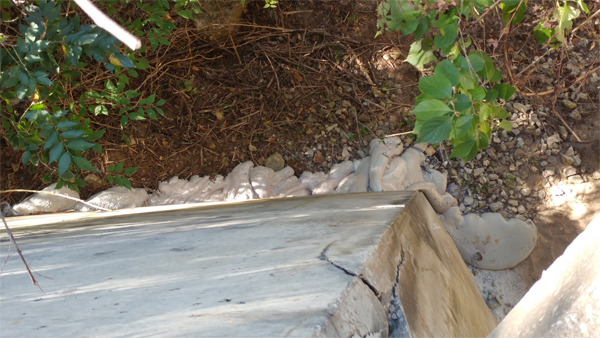
If you've lived in the Kansas City area for any length of time, you know that weather can be unpredictable. One year brings heavy rain, while the next seems to be filled with long stretches of hot, dry weather. While most homeowners think about drought conditions affecting lawns, gardens, and water bills, many don't realize that drought can also have a serious impact on their home's foundation.
At Pro Foundation Technology, we've spent decades helping homeowners identify and repair foundation issues throughout the Kansas City metro. One of the most common causes of foundation movement we see is changing soil conditions, especially during periods of extended drought. Understanding how dry weather affects the ground beneath your home can help you recognize warning signs early and avoid costly repairs down the road.
Why Soil Matters to Your Foundation
Your home's foundation doesn't sit directly on solid rock. Instead, it's supported by soil. That means the stability of your foundation depends heavily on the condition of the ground beneath and around your home.
Many areas throughout Kansas and Missouri contain clay-rich soils. Clay soils are unique because they expand when they absorb moisture and shrink when they dry out. This constant cycle of expansion and contraction is normal to some degree, but during severe drought conditions, the shrinking can become significant.
As moisture leaves the soil, gaps can begin forming beneath portions of your foundation. When support is lost, the foundation may settle unevenly, leading to structural movement throughout the home. This is where many dry soil foundation problems begin.
How Drought Causes Foundation Movement
During prolonged dry periods, soil moisture levels can drop dramatically. As the soil shrinks, it pulls away from foundation walls and footings. The result is often uneven settlement. Certain areas of the foundation may lose support while other sections remain stable. This imbalance creates stress throughout the structure and can lead to visible signs of damage.
Homeowners are often surprised to discover that a foundation can move even though there hasn't been excessive rainfall, flooding, or other obvious events. In reality, drought can be just as damaging as too much water.
Think of it like removing support blocks from underneath one corner of a heavy object. Eventually, the weight shifts and the structure settles into a new position. The same principle applies to your home's foundation.
Common Signs of Dry Soil Foundation Problems
Many homeowners first notice foundation issues inside the house rather than outside. As the foundation shifts, the rest of the structure moves with it.
Watch for these common warning signs:
- Cracks developing in drywall, especially around doors and windows
- Doors that stick or suddenly won't latch properly
- Windows becoming difficult to open or close
- Gaps appearing between walls and ceilings
- Sloping or uneven floors
- Exterior brick or masonry cracks
- Separation around garage doors or entryways
These symptoms don't always mean major structural damage is occurring, but they should never be ignored. Small problems often become larger and more expensive if left unaddressed.
Why Kansas City Homes Are Especially Vulnerable
The Kansas City region experiences significant swings between wet and dry conditions throughout the year. This cycle creates a challenging environment for foundations. During rainy seasons, clay soils absorb moisture and expand. During droughts, those same soils shrink. Repeated expansion and contraction can place ongoing stress on foundations over time.
Older homes may be particularly vulnerable because they've already experienced decades of soil movement. However, newer homes are not immune. Even recently constructed foundations can experience settlement when drought conditions become severe.
Trees can also contribute to the problem. Large trees located near a home often pull substantial amounts of moisture from the surrounding soil through their root systems. During drought conditions, this moisture loss can accelerate soil shrinkage near the foundation.
The Connection Between Trees and Foundation Problems
Homeowners often love mature trees because they provide shade, beauty, and curb appeal. However, large trees can sometimes worsen dry soil foundation problems. Tree roots naturally seek moisture. During periods of drought, roots may draw water from the soil surrounding your foundation at a faster rate than normal. This can create localized drying and shrinking of the soil.
That doesn't mean every tree near your home needs to be removed. Instead, it means homeowners should be aware of how vegetation can influence soil moisture levels around the structure. A professional foundation evaluation can help determine whether tree-related soil movement may be contributing to foundation settlement.
Can Watering Your Foundation Help?
One question we hear frequently is whether homeowners should water around their foundation during drought conditions. The answer is sometimes, but it needs to be done correctly. The goal is not to saturate the soil. Excessive watering can create its own set of problems. Instead, maintaining relatively consistent moisture levels around the foundation can help reduce dramatic soil shrinkage.
Some homeowners use soaker hoses placed a few feet away from the foundation to provide gradual moisture during extended dry periods. However, every property is different, and watering strategies should be tailored to specific soil conditions and foundation types. Improper watering can sometimes worsen movement, which is why professional guidance is often beneficial.
What Happens If Foundation Settlement Continues?
Foundation movement rarely fixes itself. Once settlement begins, the problem may continue if the underlying cause remains unaddressed. Over time, homeowners may notice larger cracks, worsening floor slopes, or increasing difficulty with doors and windows. In severe cases, foundation movement can affect plumbing lines, masonry, and other structural components.
The good news is that modern foundation repair solutions can often stabilize and restore affected foundations.
Depending on the situation, solutions may include:
- Foundation pier systems that transfer the weight of the structure to more stable soil or load-bearing strata.
- Concrete lifting and polyjacking solutions that help address settled concrete slabs, sidewalks, driveways, and exterior surfaces.
The right solution depends on the cause and severity of the movement, which is why a professional inspection is an important first step.
Preventing Dry Soil Foundation Problems
While no homeowner can control the weather, there are several ways to reduce foundation risk during drought conditions. Maintaining proper drainage, monitoring soil moisture, addressing plumbing leaks, and paying attention to developing cracks can all help protect your home. It's also wise to inspect your foundation periodically, especially after prolonged periods of extreme heat and limited rainfall.
Most importantly, don't wait until small warning signs become major structural concerns. Early intervention is almost always less expensive and less disruptive than waiting for significant settlement to occur.
Protect Your Foundation During Drought Conditions
Drought doesn't just affect your lawn, it can affect the stability of your entire home. When soil dries out and shrinks, foundations can lose critical support, leading to cracks, settlement, and other structural issues.
If you've noticed signs of foundation movement or you're concerned about how recent dry weather may be affecting your property, the team at Pro Foundation Technology is here to help. Our experienced professionals can evaluate your foundation, identify the source of the problem, and recommend solutions designed to protect your home for years to come. Contact Pro Foundation Technology today to schedule an inspection and learn more about preventing and repairing dry soil foundation problems.
Filed under Common Structural Problems, Common Water Problems, Foundation Repair